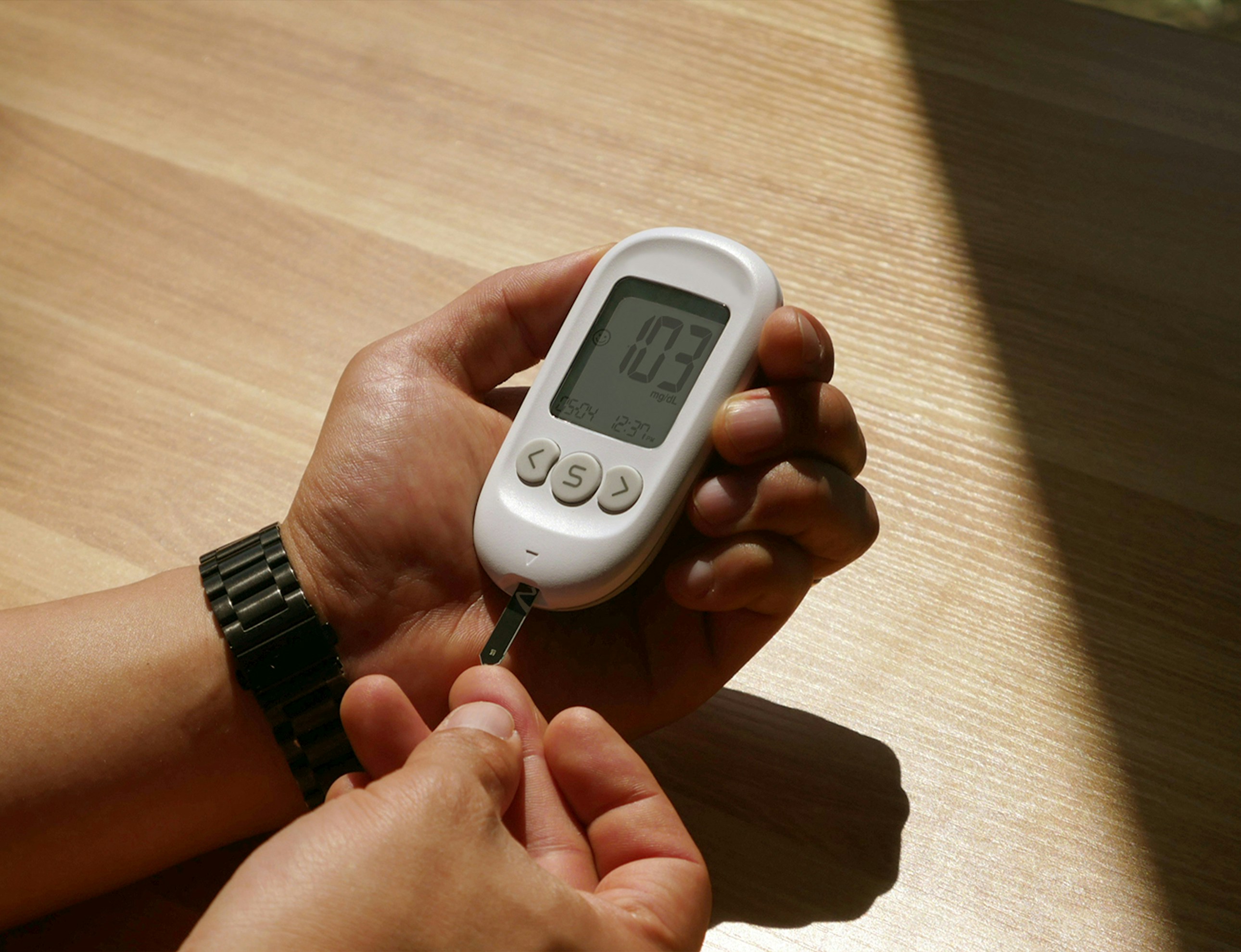
Diabetes management is about far more than tracking blood sugar. It's a comprehensive approach to protecting every system in your body — from your heart and kidneys to your eyes and feet. Dr. Zehra Jaffer provides personalized, evidence-based care for all types of diabetes, including Type 1, Type 2, gestational diabetes, and prediabetes.
Be Aware, Take Control — Heart Health
Diabetes and heart disease often go hand-in-hand. Those affected by all types of diabetes remain at risk of developing heart disease, even when blood glucose levels are well managed.
The most common form is coronary artery disease, which develops as the arteries that supply blood to the heart fill with plaque (cholesterol and other substances) — a process called atherosclerosis. As arteries narrow, blood flow to the heart decreases, increasing the risk of heart attacks, strokes, and heart failure.
Heart Disease Prevention
Regular cardiovascular risk assessment and proactive management of blood pressure, cholesterol, and blood glucose.
Blood Glucose Control
Personalized glucose targets, insulin therapy management, and CGM interpretation to keep you in a safe range.
Medication Optimization
Expert management of all diabetes medications — including newer GLP-1 and SGLT-2 inhibitors with proven cardiovascular benefits.
Preventive Screenings
Comprehensive lab panels including A1C, lipid panels, kidney function, and vitamin levels at every visit.

Keep Your Kidneys Healthy
The number one cause of kidney disease is diabetes. Kidney disease affects 1 in 7 adults in the U.S. — and because Chronic Kidney Disease (CKD) often develops without noticeable symptoms, early and regular screening is critical.
High blood glucose and high blood pressure can both damage your kidneys over time. Dr. Jaffer checks your kidney health at every visit using two simple tests:
Urinary Albumin-to-Creatinine Ratio (UACR)
A urine test that checks for albumin — a protein that leaks into urine when kidneys are damaged. Even small amounts are an early warning sign of kidney disease.
Estimated Glomerular Filtration Rate (eGFR)
A blood test measuring creatinine to assess how well your kidneys filter waste — essential for determining CKD stage and treatment planning.
Protect Your Vision
Diabetes is the leading cause of blindness in people aged 18–64, yet there are often no obvious signs or symptoms until significant damage has occurred.
When blood glucose levels stay above target range over time, the blood vessels in your eyes weaken and can start to leak — causing blurry or cloudy vision known as diabetes-related retinopathy. Regular diabetes eye exams are your best defense against vision loss.
👁️ Important: Diabetes-related eye disease can cause permanent vision loss if left untreated. Scheduling regular eye exams is one of the most important steps you can take to protect your long-term eye health.
Foot Care & Neuropathy
Diabetes can cause nerve damage (neuropathy) that leads to reduced sensation in the feet. This means small cuts, blisters, or injuries can go unnoticed and become serious infections.
Dr. Jaffer provides comprehensive foot care education and regular foot examinations to help prevent complications — from early neuropathy detection to wound prevention strategies.
- Regular foot inspections and neuropathy screenings
- Guidance on proper footwear to reduce pressure points
- Wound prevention and early intervention strategies
- Referrals to podiatry specialists when needed
🩺 Free Pre-Diabetes Risk Test Available — If you're concerned about your blood sugar, ask Dr. Jaffer about a free pre-diabetes risk assessment at your next visit.